
For millions of Canadians laboring remotely, the midday break has changed. Rather than just fetching a coffee, many enjoy a quick digital escape, with crash casino games like game big bass crash becoming a favorite short distraction. But that habit has just encountered a wall. User data and platform traffic reveal a clear drop in play during standard North American business hours. This doesn’t concern people losing interest. It’s about a new kind of office policy. Employers and internet managers are now placing network-level blocks on gaming sites. Whether it’s a corporate IT rule or a personal productivity app, this “home office” action is creating enforced quiet time for games. It’s altering when and how people in Canada play titles like Big Bass Crash from their living rooms. This situation demonstrates a fresh battle in managing the digital workplace, where halting distraction is now as important as providing an internet connection.

The Growth of the Micro-Break Gaming Phenomenon
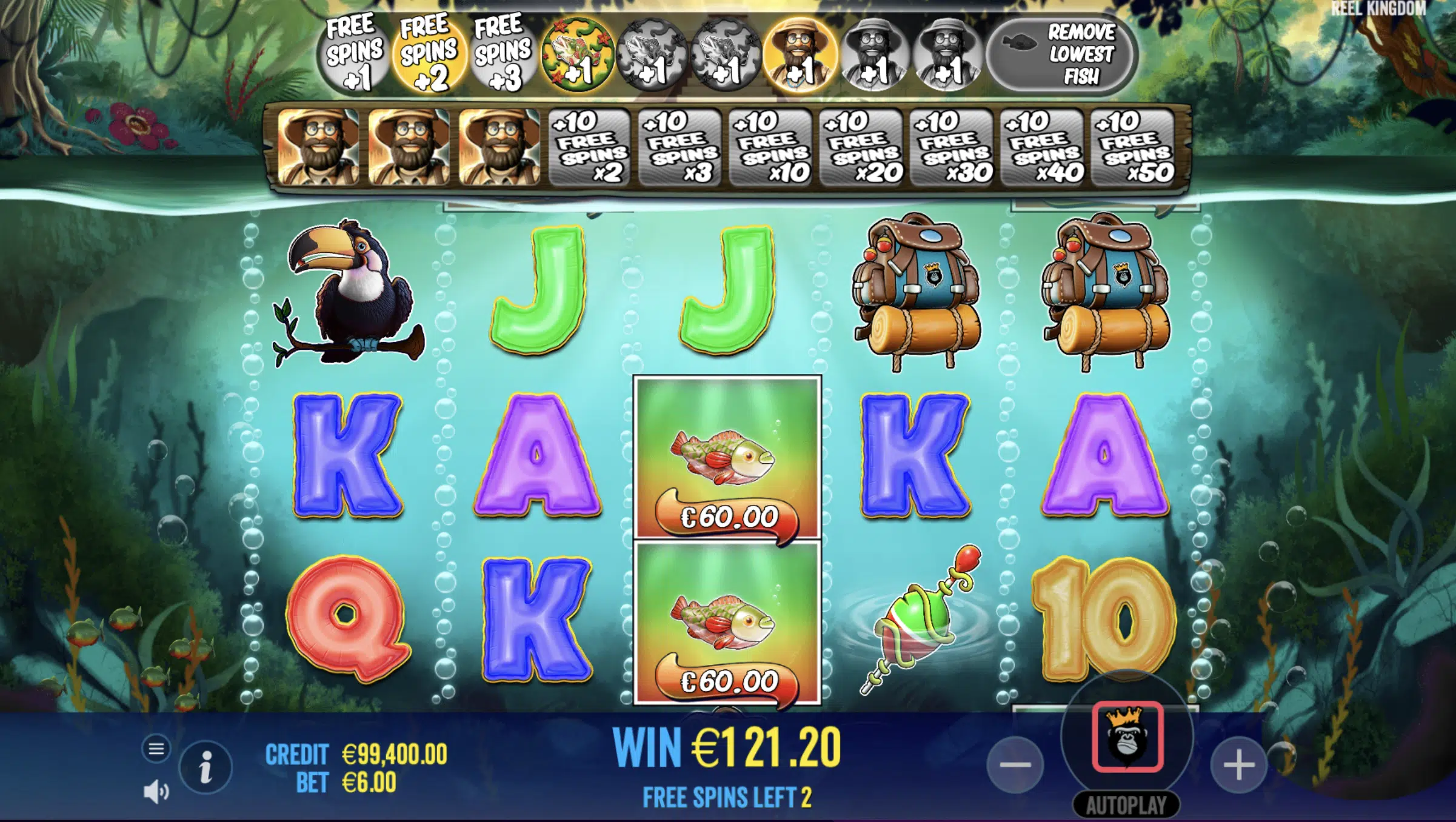
Working from home is now common across Canada, from Toronto offices to Vancouver kitchens. This has faded the line between the office and the living room. In this environment, the micro-break—a brief five to ten minute pause—became a necessary mental escape. Crash games fit this need exactly. Their premise is simple: cash out your bet before the multiplier crashes. They deliver a shot of anticipation and a quick reward, all without the time required for a console game or a long slot machine session. For someone working remotely, a single round of Big Bass Crash offers a sharp, complete distraction. It can break the monotony of endless video calls or deep work, making it a natural choice for a spontaneous pause. This shift is part of a bigger change, where digital downtime is now stitched right into the workday.
How Crash Games Match the Work-From-Home Mold
Crash game mechanics fit a remote worker’s scattered schedule. One round takes only seconds, delivering a full experience within a short break. You don’t need to save your game or learn complicated rules. Also, the tension of watching the multiplier rise creates a focused engagement. It pulls your mind completely away from spreadsheets and emails. This total shift might actually make you more productive when you return to work. Because they slot so easily into tiny windows of time, it’s no wonder these games became popular among professionals managing their own day.
Psychological Drivers Behind the Quick Play
The appeal of crash games during work goes beyond convenience. The core loop—risk, reward, resolution—happens fast. It gives your brain a kind of stimulus that’s totally different from work tasks. This cognitive shift combats mental fatigue. The games also provide a feeling of control and an instant result. That’s a direct contrast to workplace projects where outcomes take weeks or months. For a remote worker grinding through repetitive tasks, the adrenaline from a successful cash-out works as a powerful, quick mood booster. That feeling reinforces the habit, making the game a regular part of the break routine.
Approaches of Restriction and Circumvention Tries
How these restrictions work changes in sophistication. Corporate IT departments usually utilize a few methods together for the best effect. Common tactics include DNS restriction, which forwards or prevents calls to a game’s web site. They also use URL keyword restriction inside network security barriers, and software blockers deployed straight on the office computer. Some individuals try to circumvent these barriers. They use VPNs, change to mobile data hotspots, or search for alternative website copies. But these solutions present drawbacks. Corporate laptops commonly have monitoring software that detects VPN usage. Using your personal mobile data for gaming can get expensive fast in Canada, where data rates run a lot. This tug-of-war continues, but the “home office” usually succeeds because it has more effective monitoring tools.
Standard Blocking Methods in Specifics
The specific methods show why getting around a restriction is so challenging. Next-generation firewalls can carry out deep packet inspection. This recognizes gaming traffic no matter what domain label it uses. Cloud security gateways, like Cisco Umbrella or Zscaler, monitor all internet activity from a company computer, even when it’s not on the company VPN. Application-aware restriction can shut down specific applications or browser pages. For the individual, kernel-level restrictors (like Cold Turkey) block a program from launching at all until a countdown expires. These tools are constructed to resist employees. For the average employee, trying a technical circumvention demands a lot of effort for little reward.
Influence on Player Engagement and Session Dynamics
This forced schedule is shifting how people participate and how the games operate. When access gets pushed to evenings and weekends, session patterns evolve. Players could experience longer, more focused playing periods to offset lost daytime windows. This could influence how much they wager. The unplanned, stress-relief micro-break gets replaced by organized leisure. For the game companies, this compresses peak traffic into a tighter time window. It transfers activity away from the previously consistent daytime engagement. That can stress servers during the new peak times and mess up in-game event planning. The normal rhythm of a global player base gets interrupted by office policies in one region. The data indicates a shift from many short, frequent sessions to less numerous, more intense ones.
Wider Implications for the Canada’s iGaming Market
This development is a particular challenge for the iGaming industry in Canada’s regulated market. Marketing plans that once target “midday” or “mid-afternoon lull” players now require a re-evaluation. Operators might have to push their promotions more toward evenings and weekends. Also, this scenario could shape what regulators think. It creates a clearer line between gaming and professional life, a point responsible gambling groups often highlight. The block creates a natural barrier, which aligns with safer gambling ideas by stopping impulsive play during a stressful workday. This accidental match with responsible gambling frameworks could come up in future regulatory discussions.
Detecting the “Home Office” Block: Signals and Catalysts
Signs of this blocking are evident in the data. Gaming platforms experience noticeable traffic dips that align with business hours in Eastern and Pacific Time, particularly on weekdays. The motivations for these blocks stem from several sources. Large companies with robust IT security often ban all gambling domains. They operate to adhere to workplace rules and to minimize security risks. On a smaller scale, individual workers set up website blockers like Cold Turkey or Freedom to stop distractions during their primary work hours. Even some Canadian internet service providers can block access if parental controls are on. Together, these actions generate a planned silence for game access. The treatment is analogous to how many offices now restrict social media.
Adapting the Play Routine: Approaches for Canadian Players
For Canadian followers of Big Bass Crash and comparable games, the sole option is to adapt. Fitting play into a stable work-from-home routine now requires deliberate planning. Here are some effective ways to keep playing without damaging your job or using risky technical tricks.
- Plan Specific Play Times: Designate clear breaks, like your actual lunch hour or time after work, as your gaming time. Treat it like a scheduled appointment for fun.
- Utilize Mobile Responsiveness: Access your personal phone on a different Wi-Fi network during real breaks. This maintains a clean separation from your work devices and networks.
- Employ Account Features: Use the tools inside the game itself, like deposit limits and session timers, to keep your scheduled play in check.
- Embrace the Block: Try to see the restriction as a helpful tool. It enables you focus completely during work hours, so your play later becomes more rewarding and void of guilt.
The Coming Era of Work-Break Entertainment
As remote and hybrid work carries on, the push-and-pull between micro-break games and digital focus tools will likely grow. The next wave of productivity software might go beyond simple blocks to more subtle monitoring. Game developers might answer with even quicker content or designs that don’t look like typical games to avoid filters. But the main lesson for Canadians working from home is about setting digital boundaries. The ‘home office block’ on games like Big Bass Crash is more than a technical glitch. It echoes our broader struggle to put structure on a fluid workday at home. It makes us think more carefully about when and why we play. The market will adjust, but the idea of segmented digital access is now part of the Canadian professional world.